
Guides
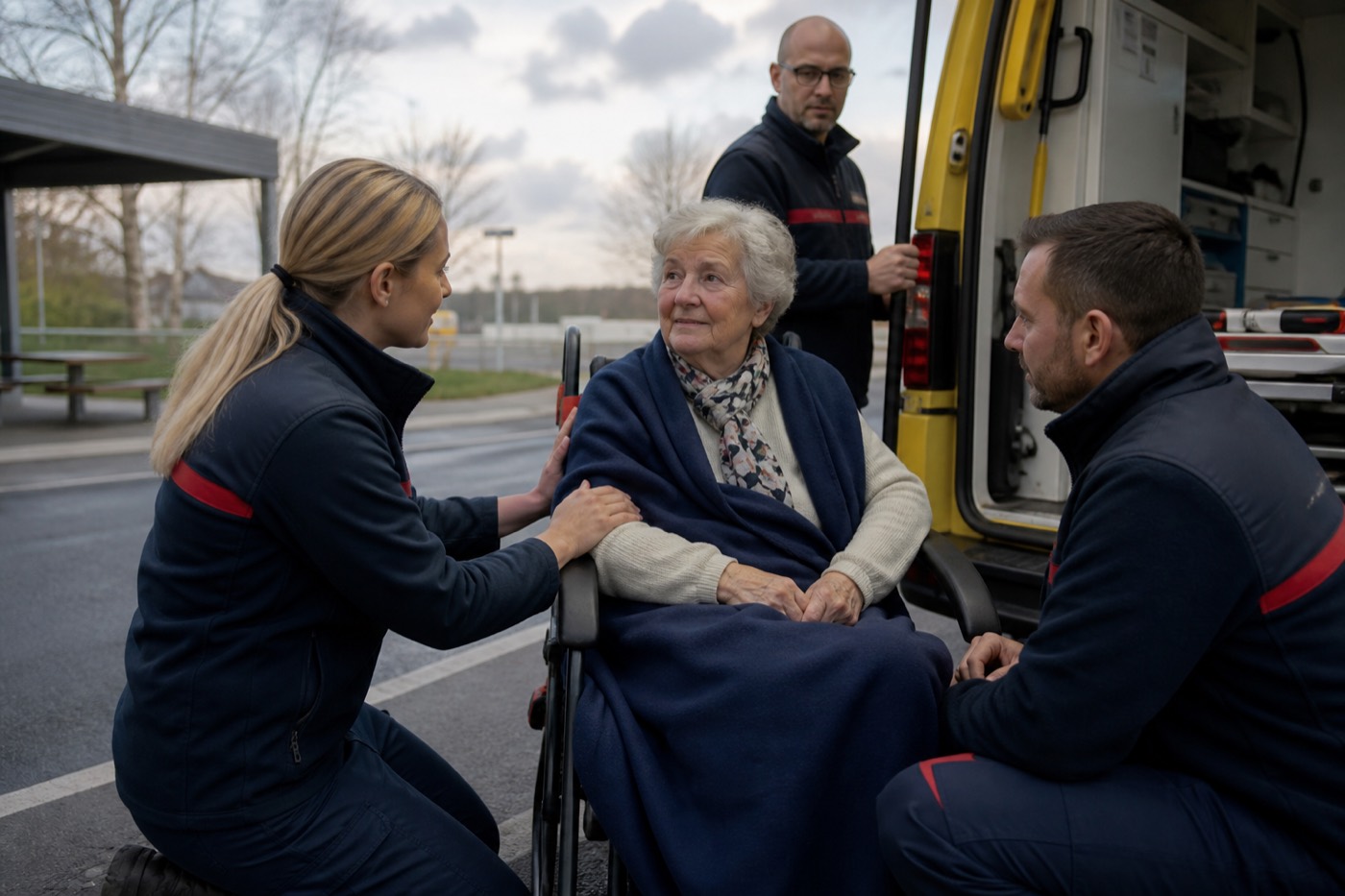
Type B — assisted medical transport
For patients who need active supervision and emergency equipment on the road, without necessarily requiring full intensive-care level.
What this means for you
Type B is the middle level: more supervision than type A, without the full ICU setup of type C.
Often suitable on long distances when comfort, monitoring and rapid response matter.
A physician explains why B rather than A or C — in plain words — before you confirm.
What level B usually provides
- A crew prepared for emergencies en route.
- Monitoring matched to the case.
- Immediate intervention equipment.
- An escalation plan if the condition changes.
Guidelines and legal frame (briefly)
- Assistance level must cover foreseeable risks for the journey duration.
- On international missions, type B is often chosen when the patient is fragile but not ventilator-dependent.
- Legal A/B/C classes exist so providers, hospitals and authorities share a common language.
What we clarify together
- Whether a physician is needed on board or an advanced nurse/paramedic profile.
- Which monitoring is mandatory throughout.
- Whether destination is a normal ward, intermediate care or ICU.
General information based on good practice in medical transfer: assess before transfer, continuity of care, clear handover. It does not replace a physician’s assessment.